
The need and frequency of negotiating with multiple stakeholders, both external and internal to organizations, is growing and it is very challenging, even for the most experienced negotiators.
Depending on who you are, you may currently, or soon, find yourself in an external negotiation (e.g. sales, mergers and acquisitions), internal (with other business units in your company, family members), corporate, political or diplomatic negotiation, probably facing difficulties that will not be easy to overcome, as can be seen in the following types of testimonials:

If you’ve found yourself in some of these previous difficulties or if they remind you of others you’ve already been through, I have two good news for you:
There is an effective approach to help executives manage complexity and conflict and achieve successful negotiations – the Harvard Negotiation method, with seven phases that cover the entire process.
We highlight the first, Preparation, as it is the most important and the most neglected of all. In fact, paradoxically, the more experience you have, the greater the risk of adopting a repetitive approach, which does not sufficiently consider the specificities of each negotiation.
Differences in approach to the Preparation phase between the most common practice and an effective negotiation method:
Most common practice | Effective Negotiation Method |
|---|---|
Defined position: what you want (demands) and how much you are willing to give (concessions) | Focuses on the real interests of the parties, being flexible in positions. |
Sets goals as follows: optimistic, pessimistic and realistic, often arbitrary | Considers a creative range of possibilities and realistic and feasible objectives |
Makes demands | Creates convincing options and arguments |
Makes concessions under pressure | Plans concessions and counterparts |
Has an equal approach to any type of negotiation | Differentiates the approach and time dedicated according to the complexity of the negotiations |
Mixes people and issues | Deals separately with the substantial and personal aspects |
Wastes time | Optimizes the time invested. Prioritizes what was identified as most important in the analysis phase. |
Ad-lib approach | Systematic approach |
Follows the logic of dividing the initial value on the table: what he gains I lose and vice versa (Zero-sum game) | Seeks a balanced result with gains for both parties and also a third party (e.g. organization, society).
Invests efforts in creating value, through creative solutions that create more value for everyone, before dividing it. |
Often results in a worse relationship and resentment | Satisfies the interests of both parties.
Maintains or improves the initial relationship
Creates a good reputation |
There is someone who can help you, a negotiation coach or consultant. This professional brings together the technical and communication skills to support both expert or beginner negotiators, supporting them, among others, in the following activities:
This “team”, Method/Coach/Negotiator, constitutes a cohesive alliance of will and know-how that maximizes the chances of success.
We state this with knowledge of the facts as Knowing Counts has used the method countless times, both in its own negotiations and in its role as a negotiation coach, advising executives to prepare and execute complex negotiations, with a high degree of success.
In addition to this coaching service, Knowing Counts also offers training, workshops and KeyNotes in Negotiation.
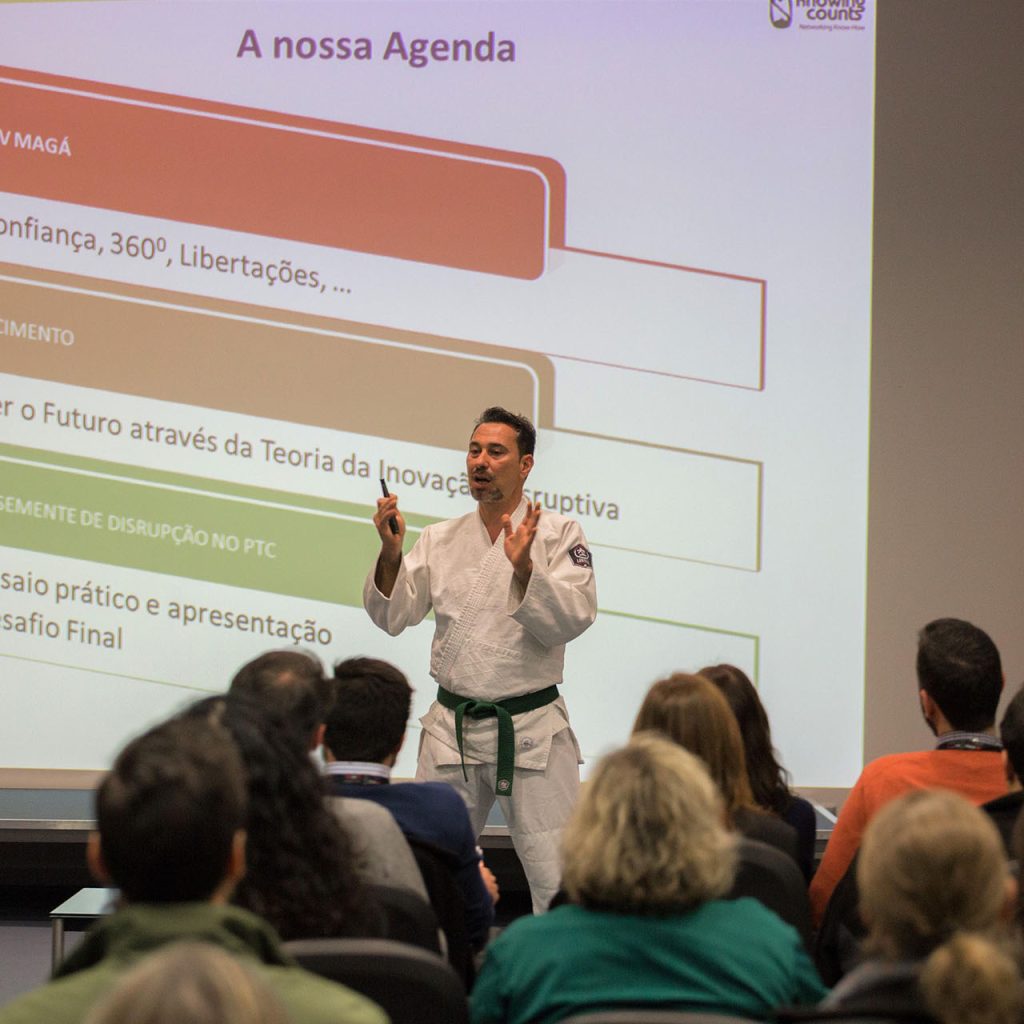
Learn a principled Negotiation Method and reach balanced agreements while improving your current relationship with your counterpart.
We cover the entire process and the 7 phases of Negotiation, from Preparation, through the Negotiation Rounds, Agreement and up to Control and Evaluation.
Our method and content contain Negotiation Principles, Elements and Tools in order to provide our clients with the Mind Set and Skill Set necessary to be successful in their professional and personal negotiations.
With the flattening of hierarchies, the democratization of information and a collaborative work environment, supported by formal and informal networks, people are increasingly less likely to accept decisions dictated by others.
Decisions are now shared. However, this generates more conflict. It is often through conflict that society evolves (e.g. social rights, competition, etc.). We do not necessarily have to aspire to end conflict, but rather to improve the way we manage it, this is what can make the difference in achieving success. Negotiation is a way of dealing with conflict, and there is a way of negotiating that creates value by dealing hard with problems and softly with people, leading to successful, thoughtful negotiations that allow us to maintain or improve relationships. It is essential to master this professional skill both because of its importance and because of the frequency with which we negotiate.
Leaders and employees who need to negotiate better with people inside and outside the organization.
A practical and simple approach, online or in person, to the Harvard Negotiation method, with content facilitation and customizable tools that will be useful for your current and future negotiations.
This training will develop the ability to negotiate winning solutions for those involved.
Our training covers the entire Negotiation process and allows participants to:
Disclaimer
This service is independent and has no affiliation, sponsorship, or endorsement from Harvard University or the Harvard Negotiation Project. Our approach is based on principles that are widely publicized and published in academic and professional publications, such as the book Getting to Yes.